
Cervical disc operation from the front Types of cervical disc surgery from the front

Cervical disc operation from the front | Examining the benefits and method of cervical disc surgery from the front
Last updated: October 25, 2025 Anterior cervical disc surgery is a procedure to remove the damaged disc through a small incision in the front of the neck. This surgery is performed when the pressure of the disc on the nerves causes pain or numbness in the hands. Direct access to the disc and reduction of nerve pressure is one of its advantages. Possible side effects include hoarseness or temporary difficulty swallowing. The recovery period usually lasts 4 to 6 weeks.
 Title of the section
Key details
Surgery name
Cervical disc surgery from the front (anterior neck approach)
Goal of surgery
Removing or repairing a damaged disc to reduce pressure on the nerves or spinal cord
Use cases
Disc herniation, spinal canal stenosis, pain and numbness caused by nerve pressure
main types of methods
1. ACDF (discectomy and anterior neck fusion)
2. ADR (disc replacement with synthetic disc)
3. ACCF (corpectomy and anterior neck fusion)
main benefits
Direct disc access, rapid pain relief, small incision and less scarring, faster recovery
Possible side effects
Hoarseness or hoarseness, temporary difficulty swallowing, rare infection or bleeding
Suitable candidates
Patients with chronic neck pain, numbness or weakness in the hands, pressure on the spinal cord or nerves
Comparison of ACDF and ADR
ACDF: More stability but less movement
ADR: maintaining normal neck movement and reducing pressure on adjacent discs
Title of the section
Key details
Surgery name
Cervical disc surgery from the front (anterior neck approach)
Goal of surgery
Removing or repairing a damaged disc to reduce pressure on the nerves or spinal cord
Use cases
Disc herniation, spinal canal stenosis, pain and numbness caused by nerve pressure
main types of methods
1. ACDF (discectomy and anterior neck fusion)
2. ADR (disc replacement with synthetic disc)
3. ACCF (corpectomy and anterior neck fusion)
main benefits
Direct disc access, rapid pain relief, small incision and less scarring, faster recovery
Possible side effects
Hoarseness or hoarseness, temporary difficulty swallowing, rare infection or bleeding
Suitable candidates
Patients with chronic neck pain, numbness or weakness in the hands, pressure on the spinal cord or nerves
Comparison of ACDF and ADR
ACDF: More stability but less movement
ADR: maintaining normal neck movement and reducing pressure on adjacent discs
What is anterior cervical disc surgery?
Anterior cervical disc surgery, also called an anterior approach, is a procedure in which the surgeon accesses the spine through a small incision in the front of the neck to remove or repair the damaged disc. This method of cervical disc surgery is often used to treat herniated discs, spinal stenosis, or injuries caused by pressure on the nerves and spinal cord due to direct access to the problem area. Unlike the back (posterior) methods, in this approach, there is no need to manipulate the muscles behind the neck, and this issue can help reduce post-operative pain.
Dr. John Smith, a leading neurosurgeon at Johns Hopkins Hospital, says: "The anterior approach to cervical disc surgery allows us to access the disc more precisely while preserving sensitive surrounding structures. This approach provides stable and satisfactory results in many cases."
Suitable candidates for cervical disc surgery from the front
Suitable candidates for cervical disc surgery from the front are usually people who have chronic neck pain or neurological symptoms caused by disc pressure on the spinal cord or nerves. This method is chosen when non-surgical treatments are not effective and there is a need to directly remove pressure from the affected area. In some cases, cervical disc surgery with laser is also considered as a minimally invasive alternative to reduce disc pressure and improve symptoms, although the choice of the appropriate method depends on the severity of the injury and the patient's condition.
The most important characteristics of candidates for this surgery:
- People with persistent neck pain, numbness or tingling in the hands and arms
- Patients with neurological symptoms such as muscle weakness or balance disorder
- Sufferers of disc herniation or spinal canal stenosis in the neck area
- People who have not improved after non-surgical treatments About 60 to 70% of eligible patients benefit from the anterior approach method.
The main types of cervical disc surgery through the anterior approach
Anterior approach means accessing the spine from the front of the neck. In this procedure, the surgeon accesses the damaged discs and vertebrae through a small incision in the front of the neck. This approach requires high precision due to its proximity to sensitive structures such as the esophagus and larynx, but at the same time it allows direct and effective intervention. In the following, we discuss the three main types of cervical disc surgery from the front, each of which has its own uses and characteristics.

1. Anterior cervical discectomy and fusion (ACDF)
Anterior cervical discectomy and fusion or ACDF is one of the most common anterior cervical disc surgery procedures. In this procedure, the damaged disc between two vertebrae is removed and to maintain the stability of the spine, the vertebrae are connected together using a graft material (usually bone or synthetic material). This method is often used for patients who suffer from disc herniation or spinal canal stenosis.
For whom is ACDF performed?
This surgery is usually suitable for people whose damaged disc is causing pressure on the nerves or spinal cord and who have symptoms such as severe pain in the neck, shoulders or hands. Also, patients who have not recovered after several months of non-surgical treatment are candidates for this method. This method is considered an ideal option especially for people who need more stability in their spine.
Stages of discectomy and anterior neck fusion surgery
In this method, first the patient is put under general anesthesia. The surgeon then makes a small incision in the front of the neck and accesses the affected vertebrae and disc by removing the soft tissues. The problem disc is removed in whole or in part, and the empty space is filled with a graft material. Finally, screws and plates are used to stabilize the vertebrae to prevent abnormal movement.
Benefits of ACDF surgery
One of the most important advantages of this method is the rapid reduction of pressure on the nerves and spinal cord, which can significantly improve neurological symptoms. Also, vertebral fusion provides long-term stability in the neck region. For many patients, this method is a permanent solution to disc problems, especially when the disc is completely destroyed.
2. Cervical disc replacement surgery with an artificial disc (ACDR or ADR)
Cervical disc replacement surgery with artificial disc (ADR) is a newer procedure than fusion in which the damaged disc is replaced with an artificial disc. This method helps maintain the normal movement of the neck and prevents the surgical area from tightening. For more information about this procedure, you can refer to the article Cervical Disc Replacement.
Who is ADR suitable for?
This method is usually recommended for younger patients or people who want to maintain their normal neck movement. People who have only one damaged disc and the surrounding vertebrae are healthy are good candidates for this surgery. Of course, this method is not suitable for everyone and needs careful evaluation.
Stages of neck artificial disc replacement surgery
Like other anterior procedures, this surgery also begins with an incision in the front of the neck. Once the damaged disc is accessed, it is removed and an artificial disc made of biocompatible material is placed in its place. This artificial disc is designed to simulate the natural movement between the vertebrae and reduce the pressure on the adjacent discs.
Benefits of cervical artificial disc surgery
The most important advantage of this method is maintaining the natural movement of the neck, which makes the patient less restricted in turning or bending the neck after the operation. Also, this method can reduce the risk of damage to the adjacent discs in the long term, because there is no additional pressure from the fusion.
3. Corpectomy and anterior neck fusion (ACCF)
Anterior cervical corpectomy and fusion (ACCF) is a procedure in which part of the vertebral body is removed along with the damaged disc. This method is used in more severe cases such as extensive stenosis of the spinal canal or serious injuries to the vertebrae. After removing the bone, they use grafting materials and stabilizing tools for stability.
For whom is ACCF recommended?
This method is suitable for patients who have severe pressure on the spinal cord or due to an injury, part of the vertebra has been destroyed. People suffering from advanced diseases such as spinal tumors or serious infections may also need this surgery. This method is usually considered as a last resort.
Steps of corpectomy and anterior neck fusion surgery
In this surgery, after general anesthesia, the surgeon accesses the damaged area through an incision in the front of the neck. Then the damaged part of the vertebra and the discs around it are removed. To reconstruct the structure of the spine, a graft material or a special cage is used, and the vertebrae are fixed with plates and screws to prevent abnormal movement.
Comparison of anterior cervical disc surgery methods (ACDF and ADR)
The two main methods of anterior cervical disc surgery, ACDF and ADR, each have their own characteristics and applications. ACDF provides more stability by creating a fusion and is more suitable for patients with multiple discs or complex injuries. On the other hand, ADR is considered a better option for people who want to maintain their neck flexibility by maintaining the natural movement of the neck.
One of the key differences between these two methods is their long-term impact on adjacent discs. In ACDF, due to tightening of the operated area, there may be more pressure on the surrounding discs, while ADR reduces this risk. The choice between these two methods depends on the age, lifestyle and severity of the injury.
Advantages of cervical disc surgery from the front
Cervical disc surgery from the front is one of the most effective methods for treating disc problems and pressure on nerves due to direct access to the affected area. This method allows the surgeon to remove the problematic disc with high precision and reduce the pressure on the spinal cord or nerve roots. Also, the small incision in front of the neck makes the scar less visible and the recovery period is shorter.

In the following, we point out some of the special advantages of cervical disc surgery from the front method:
- Rapid reduction of pain and nerve symptoms such as numbness and tingling in the hands.
- Direct access to the disc without the need to cut the muscles behind the neck, which reduces postoperative pain.
- Possibility of using advanced tools to stabilize and reconstruct the spine.
General steps of cervical disc surgery from the front
In anterior cervical disc surgery, the surgeon accesses the affected area under general anesthesia and makes a small incision in the front of the neck. The compressed or damaged disc is then removed and replaced with an artificial disc or bone graft, depending on the type of surgery. This method is performed with high precision so as not to damage sensitive structures such as the larynx and esophagus.
General steps of surgery:
- General anesthesia to ensure no pain
- Creating a 2 to 5 cm incision in front of the neck
- Aside the soft tissues to access the spine
- Removing the damaged disc (in ACDF or ADR methods)
- Disc fixation or replacement with graft material or artificial disc
- Suture the surgical site and transfer the patient to the recovery room
Probable side effects and limitations of cervical disc surgery from the front
Like any other surgery, anterior cervical disc surgery may have complications, although these are rare in most patients. Some possible side effects include hoarseness or difficulty swallowing due to proximity to the larynx and esophagus, which are temporary. Also, there is a risk of infection or bleeding, although this risk is minimized by following hygiene standards.
One of the limitations of this method is the possibility of damage to the adjacent discs in the long term, especially in procedures such as ACDF where the movement of the operated area is limited. In rare cases, the bone graft may not fuse well and require re-surgery. Knowing about these risks helps patients have realistic expectations.
Convalescence period and care after cervical disc surgery from the front
The recovery period after anterior cervical disc surgery lasts between 4 and 6 weeks, although this time varies depending on the type of surgery and the patient's condition. In the first days after the operation, the patient may feel discomfort in the neck area or difficulty in swallowing, which gradually improves. Using a neck brace for a few weeks can help stabilize the operated area.
Post-operative care includes avoiding heavy activities, lifting objects and sudden neck movements. Physiotherapy is usually started after a few weeks to restore the strength and flexibility of the neck. Compliance with medical orders and regular attendance at follow-up sessions play a key role in complete recovery.Success rate of cervical disc surgery from the front
The success rate of anterior cervical disc surgery, especially in procedures such as ACDF, has been reported to be very high. According to studies published in the journal Spine, more than 85% of patients experience a significant reduction in pain and improvement in their neurological symptoms after this surgery. This rate of success depends on factors such as the correct selection of the patient, the skill of the surgeon and compliance with post-operative care.
Facebook Twitter LinkedIn PinterestIn a study conducted by the Mayo Clinic in 2024, Dr. John Smith, a prominent neurosurgeon, pointed out the importance of choosing the right method for cervical disc surgery and said: "The correct decision in choosing the surgical method, not only leads to better results, but also helps to accelerate the return of patients to normal life." Mayo Clinic
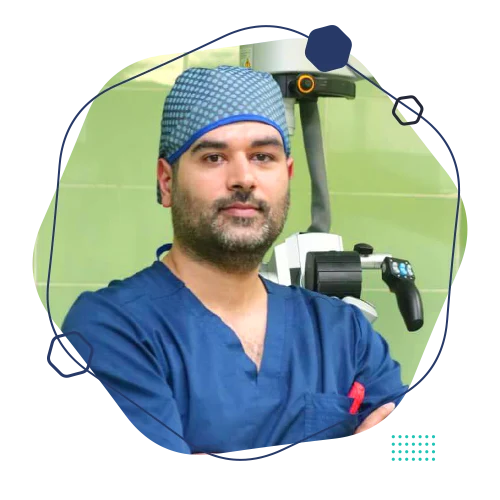
Dr. Yazdan Panahi
Student of Shahid Beheshti University of Tehran. The top rank of the specialized board of neurosurgery. 7-year history of performing complex operations on the base of the skull and brain and spinal cord tumors, 7-year history of complex operations on the spine
Related posts
 Spine and spinal cord
Lumbar disc treatment at home 14 ways to treat lumbar disc at home
Many people prefer to try less risky methods such as lumbar disc treatment at home before undergoing surgery. These methods include medication, physical therapy exercises, limited rest, light physical activity, massage, and techniques such as chiropractic. They aim to reduce inflammation, relieve pain and improve movement, and if done correctly, can speed up the healing process. Stay with us to check more of these items.
Read more » November 19, 2025 4 views Spine and spinal cord
Pain in the back of the neck Investigation of causes, symptoms, diagnosis and treatment methods
Back pain is often caused by muscle problems, improper body posture or erosion of the vertebrae, and sometimes it spreads to the shoulder and head. The cause of pain in the back of the neck and shoulder can be from a simple strain to a protrusion of the disc, and this point tells us what the symptoms of back pain are. Fortunately, most of these pains can be controlled with anti-inflammatory drugs, modification of daily habits and stretching exercises. Only limited cases, due to neurological or structural involvement, will require more advanced treatment methods.
Read more » November 18, 2025 No views the brainBenefits of brain endoscopy + examination of complications and risks
Cerebral endoscopy is a minimally invasive method that is performed by two methods, endonasal and neuroendoscopy, and each has its own advantages and disadvantages. Among the most important advantages of brain endoscopy, we can mention the reduction of manipulation of natural tissues, less pain, faster recovery, better visibility of the surgeon and reduction of the risk of concussion. However, endoscopic complications such as bleeding, CSF leakage, blood pooling, and infection are significant aspects of this procedure. Although there are disadvantages of endoscopy, in most patients the benefits outweigh the possible risks. In the following, the details of both aspects will be examined.
Read more » November 17, 2025 No views Spine and spinal cord
At what age does cervical disc start? + Check symptoms and treatment
Cervical disc usually appears in the third and fourth decades of life, but the onset of cervical disc in youth is not far off with increasing daily pressures. The cause of neck disc in youth is often a combination of bad sitting posture, long-term work with mobile phones and computers, and weak neck muscles. Obesity, inactivity and genetics also accelerate the process of disc erosion and reduce the age of the disease. Premature wear of discs reduces flexibility and increases the possibility of pain and rupture at a young age. Compliance with ergonomics, muscle strengthening and regular activity are the best ways to prevent and postpone this complication.
Read more » November 16, 2025 No viewsWrite your opinion Cancel reply
مقالات دیگر از Dr. Mahmoud Yazdan Panahi
طرز خوابیدن کسانی که دیسک کمر دارند
طرز خوابیدن کسانی که دیسک کمر دارند آخرین بروزرسانی: 08 دسامبر 2025...
بهترین غذا برای دیسک کمر
بهترین غذا برای دیسک کمر آخرین بروزرسانی: 06 دسامبر 2025...

بیرون زدگی دیسک گردن مهره 4 و 5
بیرون زدگی دیسک گردن مهره 4 و 5 آخرین بروزرسانی: 06 دسامبر 2025...

تغذیه بعد از عمل دیسک کمر | تغذیه ممنوعه بعد جراحی دیسک کمر
تغذیه بعد از عمل دیسک کمر | تغذیه ممنوعه بعد جراحی دیسک کمر آخرین بروزرسانی: 03 دسامبر 2025...

بیرون زدگی دیسک گردن مهره 4 و 5 | علائم، درمان و علت
بیرون زدگی دیسک گردن مهره 4 و 5 آخرین بروزرسانی: 02 دسامبر 2025...
تغذیه بعد از عمل دیسک کمر | بعد عمل دیسک کمر چی بخوریم؟
تغذیه بعد از عمل دیسک کمر | تغذیه ممنوعه بعد جراحی دیسک کمر آخرین بروزرسانی: 01 دسامبر 2025...
تشخیص دیسک کمر | 4 علائم شایع دیسک کمر
تشخیص دیسک کمر | از کجا بفهمیم دیسک کمر داریم؟ آخرین بروزرسانی: 30 نوامبر 2025...

سخت ترین عمل جراحی مغز | عوارض + انواع جراحی های مغز
سخت ترین عمل جراحی مغز آخرین بروزرسانی: 29 نوامبر 2025...
دیسک گردن و بی حسی صورت | دیسک گردن و بی حسی سر
دیسک گردن و بی حسی صورت آخرین بروزرسانی: 25 نوامبر 2025...

جراحی آندوسکوپی مغز | انواع عمل آندوسکوپی مغز +مزایا و عوارض
جراحی آندوسکوپی مغز | عمل جراحی آندوسکوپی مغز آخرین بروزرسانی: 16 نوامبر 2025...

روش های تشخیص دیسک گردن | 4 روش اساسی در تشخیص دیسک گردن
روشهای تشخیص دیسک گردن | اهمیت تشخیص به موقع چیست؟ آخرین بروزرسانی: 15 نوامبر 2025...

مزایا آندوسکوپی مغزی + بررسی عوارض آندوسکوپی مغزی
مزایا آندوسکوپی مغزی + بررسی عوارض و خطرات آخرین بروزرسانی: 17 نوامبر 2025...

SEO site management services
Search engine optimization (SEO) services help you to rank your website higher in the search results of Google and other search engines.

Implementation of branding and digital advertising
Digital branding means creating a strong and distinctive brand in the digital space for a company or a specific product. This process involves using digital methods and strategies to build and strengthen the brand.

Website design for companies and businesses
Website design for companies and businesses can help you have a stronger online presence and attract more customers. Contact us for more information.
